
Description
Product Overview
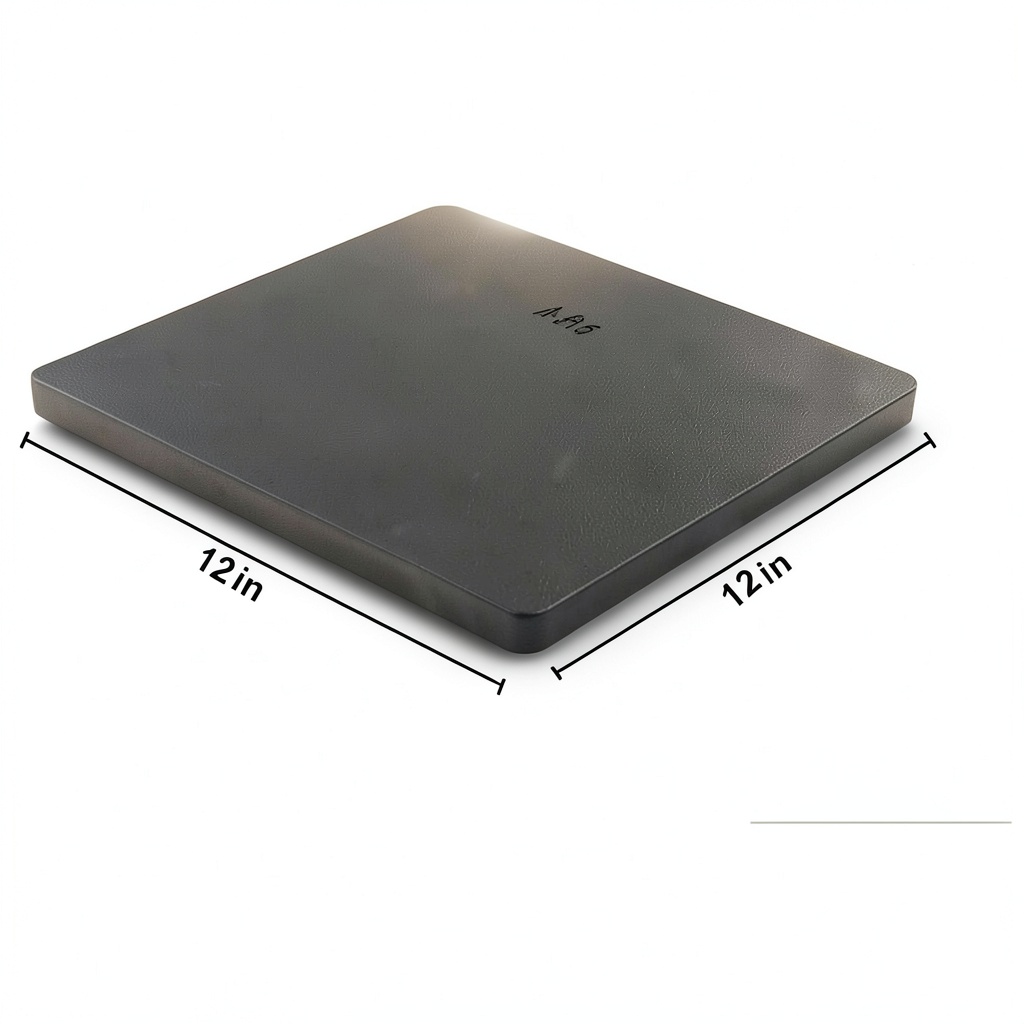
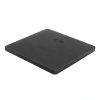
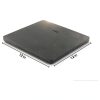
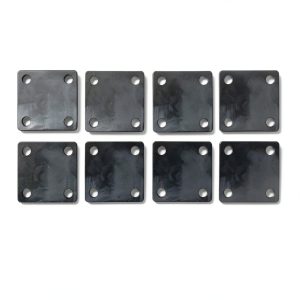
The 1Pack hot rolled A36 steel plate is engineered to meet the demanding standards of industrial fabrication and hobbyist projects alike. Measuring 12 in x 12 in with a robust 1/4 in thickness, this square sheet delivers a balanced combination of strength, durability, and ease of handling. Constructed from A36 grade hot rolled steel, the material exhibits excellent tensile strength, good weldability, and resistance to corrosion when properly finished. The plate’s flat surface and precise dimensions make it an ideal starting point for custom machining, stamping, and forming operations. Whether you are building a structural component, a prototype frame, or a decorative metal artwork, the consistent thickness and uniform edge quality reduce material waste and simplify downstream processes. The product is supplied by SALUINOKI, a reputable manufacturer known for delivering reliable metal solutions to the industrial and scientific market.
The plate conforms to ASTM A36 specifications, which define a minimum yield strength of 36,000 psi and a tensile strength ranging from 58,000 to 80,000 psi. Its chemical composition typically includes up to 0.25% carbon, 0.8% manganese, and trace amounts of phosphorus, sulfur, and silicon, providing a balanced alloy that resists brittleness while maintaining good formability. This standardized grade ensures compatibility with engineering calculations, building codes, and industry‑wide material libraries, allowing engineers and designers to integrate the sheet seamlessly into structural analyses and load‑bearing designs.
Beyond its mechanical strength, the steel sheet offers excellent machinability, allowing for precise drilling, tapping, and milling operations without excessive tool wear. Surface preparation such as grinding or sandblasting can be performed to achieve a smooth finish suitable for painting or coating. The material’s uniform grain flow reduces the risk of cracking during bending or forming, making it a reliable choice for custom brackets, enclosures, and structural frames that require tight tolerances and consistent performance across multiple production runs.
The steel sheet can also be supplied in a normalized condition, which reduces internal stresses and improves dimensional stability for high‑precision applications. Normalization involves heating the material to a specified temperature followed by controlled cooling, resulting in a uniform grain structure that enhances toughness and reduces the risk of distortion during subsequent machining or forming. This treatment is especially beneficial for components that will undergo repeated loading cycles or require tight flatness tolerances, such as machine bases, tool plates, and structural gussets. Additionally, the plate meets EN 10025‑2 requirements for S235JR grade, providing cross‑regional compatibility for projects that adhere to European standards. The combination of ASTM A36 and EN 10025 compliance ensures that engineers worldwide can rely on the material’s predictable performance, simplifying procurement and reducing the need for multiple material certifications.
Each steel plate undergoes dimensional verification using calibrated measuring equipment to guarantee tolerance compliance within ±0.005 in for length and width, and ±0.001 in for thickness. The material is also subjected to tensile testing in accordance with ASTM E8/E8M, confirming that the mechanical properties meet the specified minimums for yield and ultimate strength. These quality assurance procedures provide confidence that the sheet will perform reliably in load‑bearing applications and meet the expectations of engineers and fabricators. The plate’s surface finish is classified as #2 hot rolled, offering a slightly textured appearance that is ideal for subsequent machining or coating processes.
![[Product front view showing all components]](https://www.supplementrx.store/wp-content/uploads/2026/07/f65f88548d9c47c29841f0474f08a1a1.jpg)
Usage
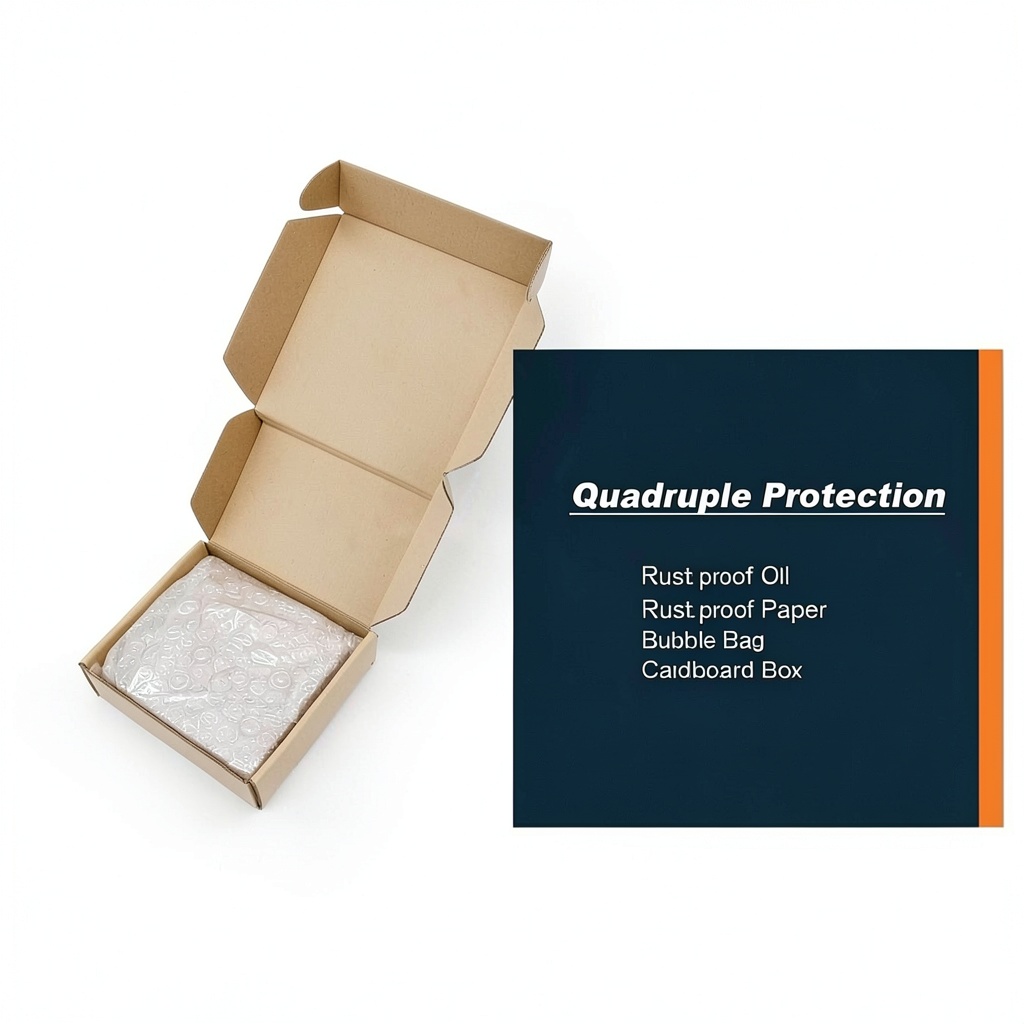
Designed for versatility, this A36 steel sheet finds application across a broad spectrum of environments. In manufacturing settings, it serves as a base material for welding assemblies, CNC machining, and laser cutting, providing a stable platform that maintains dimensional integrity under heat and mechanical stress. Contractors and fabricators appreciate its suitability for constructing brackets, supports, and frames for machinery, as the 1/4 in thickness offers sufficient rigidity without excessive weight. DIY enthusiasts can employ the plate for home improvement projects such as custom shelving, garden trellises, or artistic metal sculptures, benefiting from the material’s straightforward cutting and drilling characteristics. The plate’s corrosion‑resistant properties, especially when coated or painted, allow outdoor use in automotive repairs, marine applications, and agricultural equipment. Its compact packaging dimensions (13.03 x 12.99 x 0.51 inches) and manageable weight (approximately 10.14 pounds) make it easy to transport, store, and integrate into both small workshops and large production floors.
In construction projects, the plate serves as a foundational element for steel joists, support beams, and temporary formwork, where its load‑bearing capacity and dimensional stability are critical. For automotive repair shops, the sheet can be cut into brackets or reinforcement plates that restore structural integrity to chassis components after collision damage. Artists and sculptors appreciate the material’s ability to hold fine details when welded or hand‑shaped, enabling the creation of intricate metal art installations that combine strength with aesthetic appeal.
To maximize performance, users should consider pre‑heating the steel before welding to reduce thermal shock, and select appropriate filler metals that match the A36 composition. When drilling, using carbide‑tipped bits and applying cutting fluid will extend tool life and produce clean holes. For cutting large sheets, a CNC plasma cutter offers high precision and repeatability, while a waterjet cutter can preserve the material’s metallurgical properties by avoiding heat‑affected zones.
When working with the steel plate, safety precautions are essential to prevent injuries and maintain material integrity. Operators should wear appropriate personal protective equipment, including safety glasses, gloves, and hearing protection, especially when cutting or grinding the metal. It is advisable to secure the sheet to a stable workbench using clamps or a magnetic base to avoid movement during machining. For welding tasks, ensure proper ventilation to disperse fumes and use a grounding clamp to prevent electric shock. Cleaning the surface with a solvent or mild detergent before painting or coating improves adhesion and reduces the likelihood of defects. By following these best practices, users can achieve consistent results while extending the service life of the steel plate.
The steel plate’s versatility extends to prototyping environments where rapid iteration is essential. Designers can quickly cut the sheet to size, bend it into custom shapes, and join pieces using standard welding techniques, enabling the creation of functional prototypes that closely mimic final production parts. Its predictable behavior under heat and mechanical stress reduces the need for extensive rework, accelerating development cycles and lowering overall project costs.
Why Choose Us
Choosing the SALUINOKI hot rolled steel plate means selecting a product backed by rigorous quality control and a commitment to customer satisfaction. Each sheet undergoes thorough inspection for surface defects, dimensional accuracy, and material composition, ensuring that you receive a plate that meets or exceeds industry specifications. SALUINOKI’s manufacturing process incorporates modern rolling techniques that produce a uniform grain structure, enhancing the plate’s mechanical performance and reducing the likelihood of warping during fabrication. In addition, the company provides responsive technical support, offering guidance on material handling, cutting methods, and finishing options to help you achieve optimal results. With a proven track record reflected in a 4.8‑star rating from over 200 verified customers, the brand demonstrates reliability and trustworthiness. Moreover, the competitive price point of $29.29 per pack delivers exceptional value without compromising on quality, making it a cost‑effective choice for both large‑scale projects and individual makers.
SALUINOKI adheres to ISO 9001 quality management standards, ensuring that each production batch undergoes systematic audits, traceability checks, and continuous improvement processes. The company also prioritizes environmental responsibility by sourcing raw steel from certified recyclers and implementing energy‑efficient furnace operations, reducing the carbon footprint associated with metal production. Customers benefit from reliable lead times, with most orders shipped within 2‑3 business days, and from a responsive after‑sales team that assists with technical queries, return policies, and warranty claims.
The competitive pricing of $29.29 per pack reflects SALUINOKI’s efficient supply chain, which leverages bulk steel procurement and streamlined logistics to pass cost savings directly to the buyer. This pricing model, combined with the product’s high performance, delivers a compelling return on investment for manufacturers seeking to reduce material expenses while maintaining stringent quality standards. Additionally, the company offers bulk discount programs for repeat purchasers, further enhancing affordability for large‑scale operations and long‑term projects.
SALUINOKI’s commitment to sustainability extends beyond raw material sourcing; the company implements waste‑reduction programs and recycles metal off‑cuts to minimize environmental impact. Their facilities are equipped with energy‑efficient rolling mills and use renewable electricity where available, aligning with global carbon‑reduction goals. Customers can benefit from transparent reporting on the product’s carbon footprint, enabling informed decisions for green building certifications such as LEED. Moreover, SALUINOKI offers worldwide shipping options with reliable carriers, ensuring that the steel plates arrive on schedule regardless of the buyer’s location. The combination of eco‑friendly practices, robust logistics, and dedicated technical assistance makes the brand a trusted partner for responsible manufacturing.
SALUINOKI also provides comprehensive documentation, including mill test reports (MTR) and material certificates, which detail the chemical composition, mechanical test results, and heat treatment records for each batch. This transparency simplifies compliance audits for regulated industries such as aerospace and automotive, where traceability is mandatory. Clients can request custom cutting or sizing services, and the company’s engineering team is available to assist with design optimization, ensuring that the steel plate integrates seamlessly into the end product.
Key Features
- High‑strength A36 hot rolled steel provides reliable load‑bearing capacity
- Precise 12 in × 12 in dimensions with 1/4 in thickness reduce material waste
- Corrosion‑resistant surface suitable for indoor and outdoor applications
- Easy to cut, drill, and weld, supporting a wide range of fabrication techniques
- Backed by SALUINOKI customer support and a strong warranty for peace of mind
FAQ
What is the difference between hot rolled and cold rolled steel?
Hot rolled steel is processed at high temperatures, which makes it easier to shape and provides a softer surface finish. It is ideal for structural components where precise tolerances are less critical. Cold rolled steel is further processed at room temperature, resulting in a smoother surface and tighter dimensional tolerances, but it is generally more expensive.
Can this steel plate be painted or coated?
Yes, the A36 steel plate can be painted, powder‑coated, or galvanized to enhance its corrosion resistance and aesthetic appearance. Proper surface preparation, such as cleaning and applying a suitable primer, will improve adhesion and longevity of the coating.
Is the plate suitable for welding?
Absolutely. A36 steel is known for its good weldability. It can be welded using common methods such as MIG, TIG, or stick welding. Ensure that you follow standard welding procedures and use appropriate filler material to achieve strong joints.
What tools are recommended for cutting this plate?
For cutting the 1/4 in thick plate, a plasma cutter, metal‑cutting saw, or angle grinder with a suitable disc can be used. For more precise cuts, CNC laser cutting or waterjet machining are excellent options. Always wear proper safety equipment and secure the material before cutting.
What is the ASTM A36 specification?
ASTM A36 is a widely used carbon steel grade that specifies chemical composition, mechanical properties, and dimensional tolerances for hot rolled structural steel. The standard requires a minimum yield strength of 36,000 psi and allows carbon content up to 0.25%, manganese up to 0.80%, and small amounts of phosphorus, sulfur, and silicon. It is intended for general structural applications, including bridges, buildings, and fabricated components, and is compatible with common welding and forming processes.
How should I store the steel plate?
Store the steel plate in a dry, well‑ventilated area away from direct moisture or corrosive chemicals. Keep the sheets flat on a sturdy rack or pallet to prevent warping, and use protective coverings such as tarps or plastic sheeting to shield them from dust and rain. If stacking multiple plates, place a non‑abrasive barrier between layers to avoid surface scratches. Regularly inspect the inventory for signs of rust or damage and rotate stock to use older pieces first.
Can this steel plate be used for CNC machining?
Yes, the A36 steel plate is well suited for CNC machining operations such as milling, drilling, and tapping. Its uniform hardness and predictable grain structure allow for consistent tool engagement, reducing wear and achieving tight tolerances. When programming CNC paths, consider using appropriate feed rates and coolant to manage heat buildup, and select carbide‑tipped tools for optimal performance. Proper fixturing and work‑holding are essential to maintain accuracy and prevent vibration during high‑speed machining.
What are the recommended cutting speeds for this steel plate?
For cutting a 1/4 in thick A36 steel plate, recommended cutting speeds vary by tool type. Using an abrasive waterjet, a speed of 1,200 mm/min provides clean cuts with minimal heat input. When employing a plasma cutter, a travel speed of 1,500 mm/min with a 50 A current yields good penetration and edge quality. For a CNC laser cutter, a power setting of 2 kW and a speed of 800 mm/min is typical. Adjust parameters based on material thickness and desired edge finish.
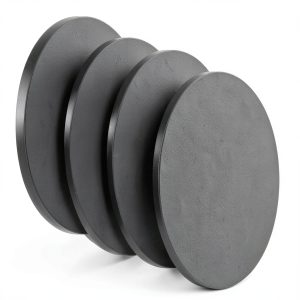

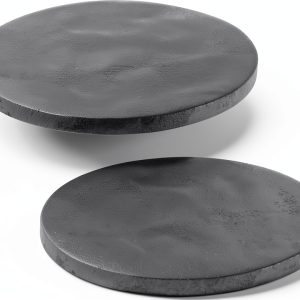 Steel Disc Plate Earthtec OneEighth Inch Pack 2 Inch Diameter
  Bobco Metals 6x6 Hot Rolled Steel Base Plate 1/4 Inch Thick Pack of 4
Reviews
There are no reviews yet.